
The Kolb Learning Cycle
A Map to Experiential Learning: The Kolb Learning Cycle
For the instructor looking to create experiential learning opportunities, the Kolb Learning Cycle is an indispensable guide. Building on the foundation laid by Dewey, theorist David A. Kolb (1939- ) breaks down experiential learning into four discrete but interrelated phases:
- Concrete Experience: The student has a new experience.
- Reflective Observation: The student reflects on the experience, pulling apart its different moments in order to describe what transpired in each of them as well as her reactions to events as they transpired.
- Abstract Conceptualization: The student interprets her experience, connecting it to concepts or content knowledge. This is a moment of labeling, making judgments, and drawing conclusions. The student thinks inductively to translate specific experiences into general rules or theories.
- Active Experimentation: The student plans how to test out the new rule or theory that emerges from Abstract Conceptualization. When she enacts the plan, she has another Concrete Experience and the cycle begins anew.
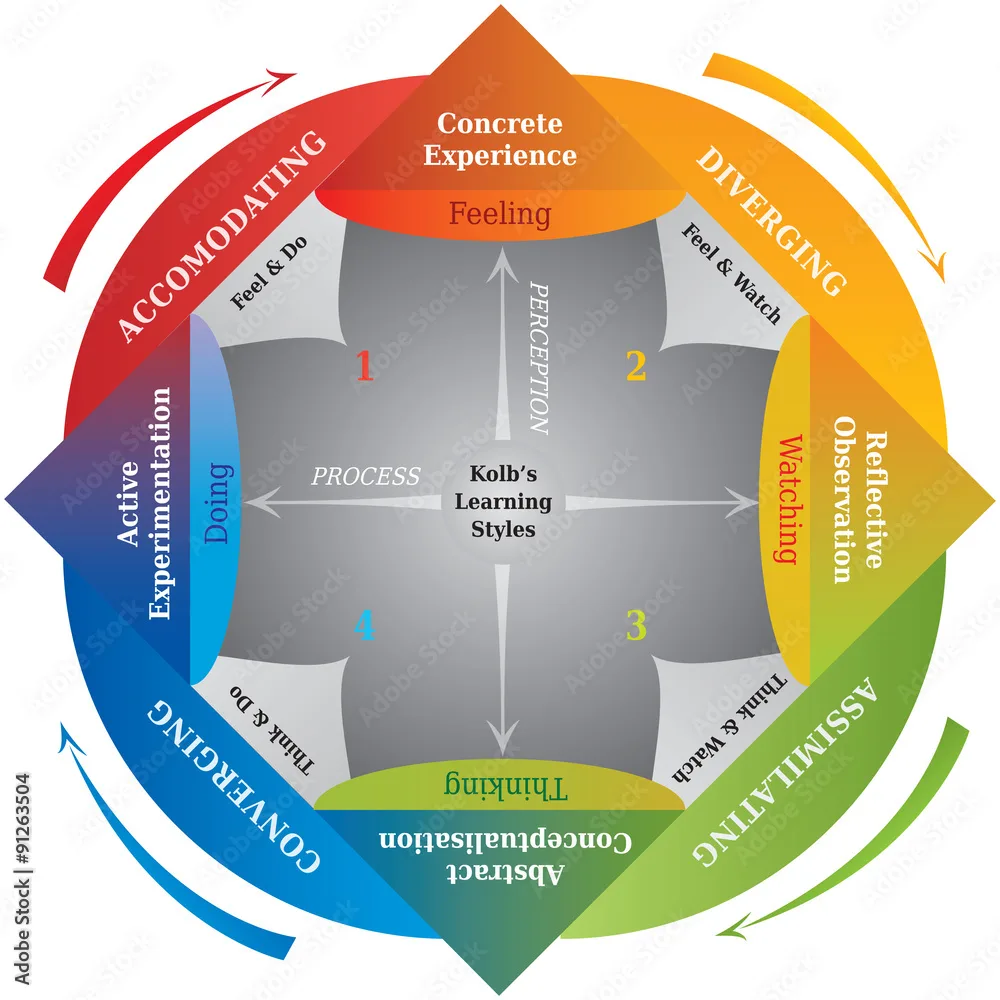
Like Dewey, Kolb stresses that students will only learn from experiences when we place those experiences within a rich reflective context, with robust opportunities for making connections, surfacing questions, and the chance to re-engage following reflection. While you can create high-impact learning experiences for students that do not incorporate the entire Kolb cycle, reflection is the critical component, even when course timing or scope does not allow for the final stages.
The following prompts can help guide your students through the cycle:
Concrete Experience
- What are your feelings as you begin, immerse yourself in the experience, and conclude?
- What are you seeing, hearing, thinking?
- What role are you playing?
- How are other people or the environment reacting to your participation?
Reflective Observation
- Can you divide your experience into different stages?
- How would you characterize each one?
- What transpired as you expected, confirming your prior knowledge?
- What surprises arose?
- How was your previous understanding challenged?
- What was difficult? What came easily?
- What are your feelings as you look back at the experience?
Abstract Conceptualization
- What terms or concepts could be used to describe your experience?
- What connections can you make to concepts, key terms, and frameworks from your academic studies?
- What do you still not understand?
- What information do you need before you engage again?
- What sources might you consult?
Active Experimentation
- What would you like to do differently when you next engage?
- What should the next step be?
- What will you need to pay attention to?
- What do you predict will happen?