
Human Intelligence Labs: Infrastructure for Learning in the Age of AI
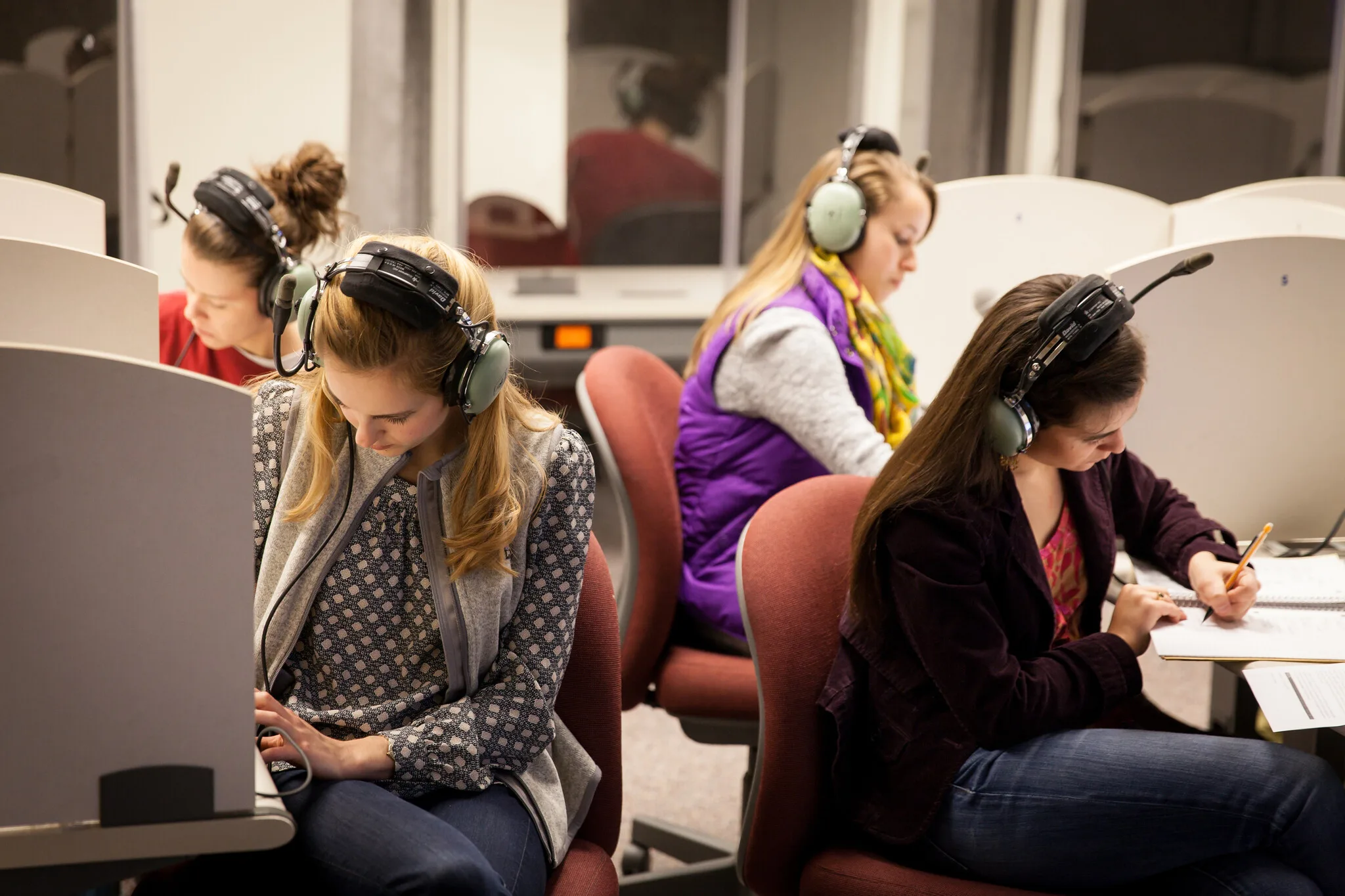
Over this past year at the CAT, one topic has dominated my conversations with all of you: how to continue teaching in the presence of powerful AI chatbots, ready to complete any and all academic tasks for our students?
Many of you have shared that you are seeing a decline in students’ ability (and willingness) to tackle basic assignments: reading an academic article or completing a math problem set.
As a Spanish professor, these conversations prompted me to reflect on the language labs of yore: spaces I frequented as a Spanish major to engage in listening and speaking practice using special software. I found myself imagining a learning lab for today’s students that does the inverse: restrict access to technology (specifically, artificial intelligence) to allow students to focus on practicing human intelligence, free from the distractions and temptations of AI.
In this piece in Inside Higher Education, I flesh out my concept of human intelligence labs. Take a look and then hit “reply” to share your thoughts. Would you send your students to human intelligence labs, AI-free spaces on campus where you could require them to compose essays or complete problem sets for your classes? Should we build this at Wake? Why or why not?
After my article published on July 2, a Religion professor from Colgate University reached out to share that a team of faculty is collaborating on her campus to pilot their own version of human intelligence labs, which they are calling Tech-Free Work Spaces. Could this be the beginning of a movement to safeguard key pillars of a liberal arts education? What role will Wake Forest play?
For more on this topic, check out the recent Deacs.AI podcast, Professors of the Round Table: Wake Forest University Faculty Debate AI and Learning with guests Betsy Barre, Erin Branch, Tobias Flattery, and Will Fleeson.