
Reading Groups

Fall 2026 Reading Groups
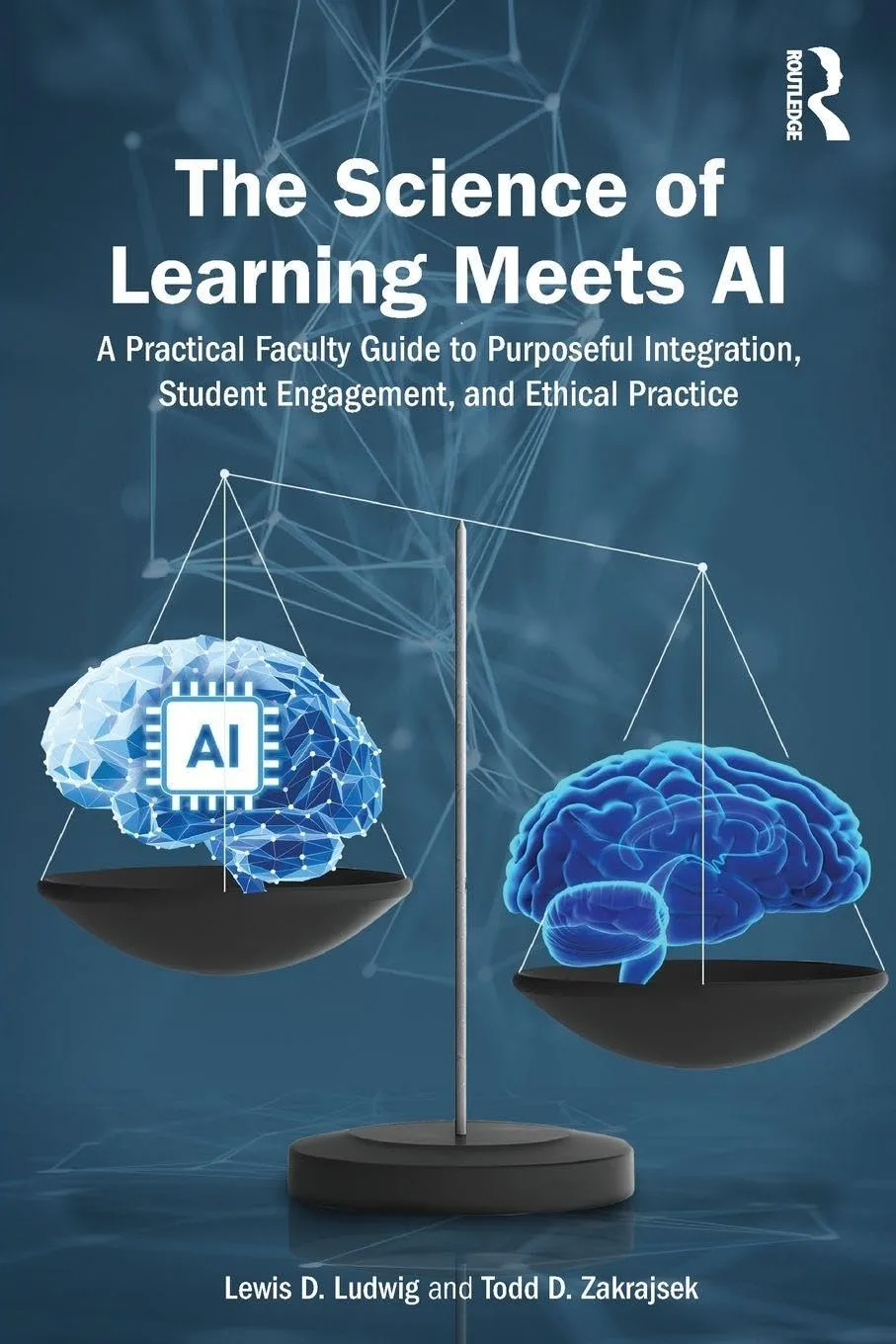
The Science of Learning Meets AI
This book group will meet six times this semester on Mondays (9/14, 9/28, 10/5, 10/19, 10/26 & 11/2) from 1-2 pm in ZSR 665 (Faculty Commons Classroom inside the Faculty Commons space in the ZSR Wilson Wing). We will provide the book for the first 15 registrants. These discussions are very popular so we ask that you register only if you are available to attend all sessions.
This research-grounded guide helps college educators use generative AI to strengthen, not sideline, what they already know about effective teaching.
Drawing on decades of experience in faculty development and learning science, Ludwig and Zakrajsek propose a three-stage progression model, Adapt, Create, Embed, to help faculty from any discipline thoughtfully incorporate AI into their teaching. Rather than chasing the latest tech tools, this book focuses on how AI can deepen student learning by enhancing time-tested frameworks such as TILT, Universal Design for Learning, Bloom’s Taxonomy, and Backward Design. Each chapter includes classroom-tested examples, reflection prompts, and activities ready for individual exploration or group discussion.
Whether you’re skeptical, curious, or cautiously optimistic, this book offers a clear, practical path to using AI as a partner, not a replacement, in ways that support students and reinvigorate teaching.
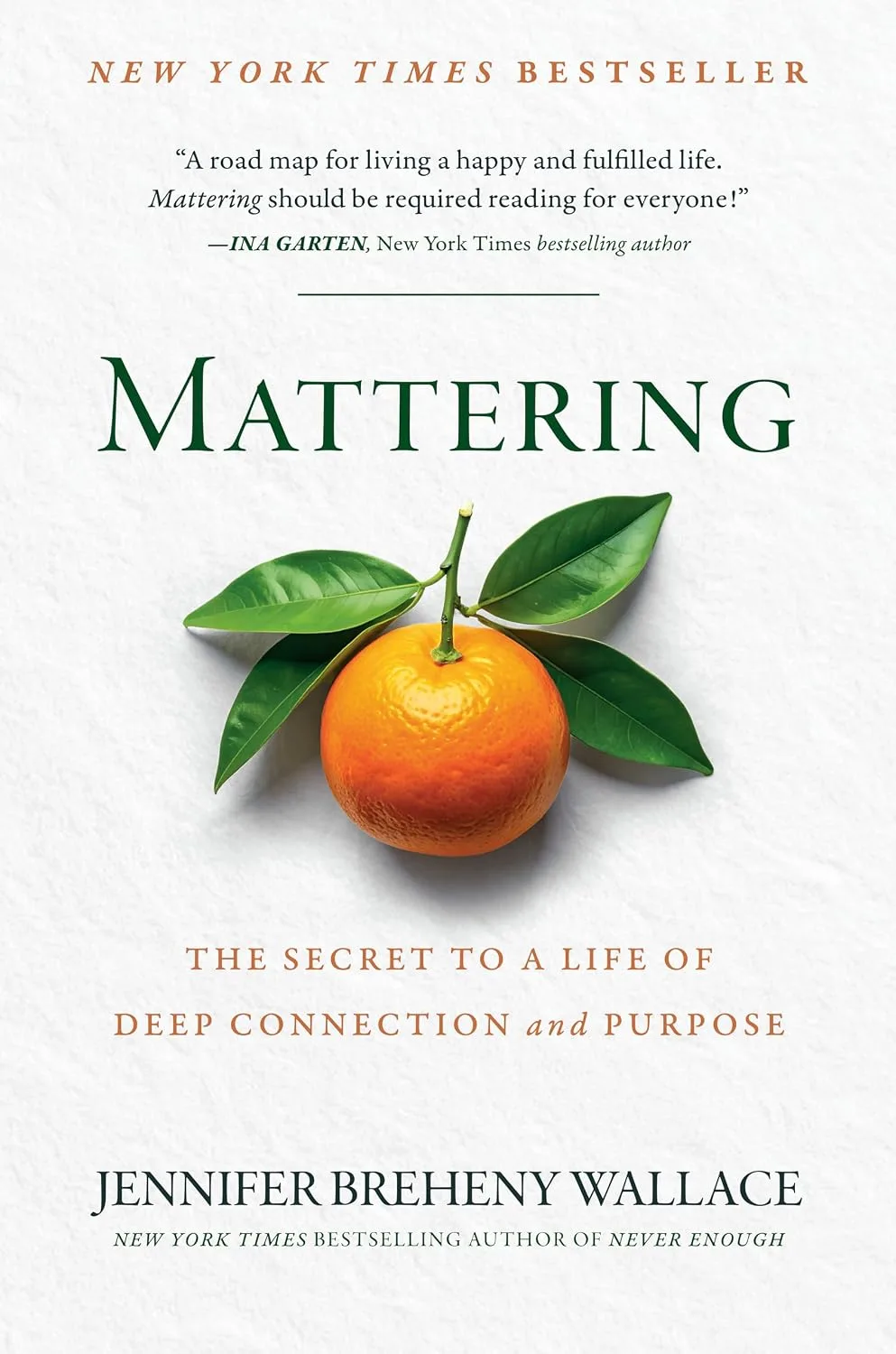
Mattering: The Secret to a Life of Deep Connection and Purpose
Meets 3 times this semester (9/8, 9/22 & 10/6) on Tuesday from 12:30-1:30pm in ZSR 664 (Faculty Commons Conference Room inside the Faculty Commons space in ZSR Wilson Wing). We will provide the book for the first 12 registrants. These discussions are very popular so we ask that you register only if you are available to attend all sessions.
Do Your students (and colleagues) know they matter? We talk a lot about engagement, motivation, and burnout, but Wallace argues something more fundamental is often missing underneath all three: mattering, the felt sense that we’re valued and have value to offer. In this research-grounded, story-rich book, Wallace names the “erosion of mattering” driving today’s mental and social health struggles and offers a practical path back: a “mattering core” built on recognizing impact, being appropriately relied on, feeling prioritized, and being genuinely known. For those of us in teaching roles, we can easily see how mattering is an important part of the work we do, both with our students and each other.
Bring your own connections to discussion. Where do you see mattering (or its absence) showing up in your classroom, your team, or your own week? And what are things we can do to rebuild it?
Past Reading Groups
Click on the image to see your selection in the ZSR Library digital collection. Please reach out to Kristi Verbeke at if you have a specific question about past reading groups.






Suggest a Book
"*" indicates required fields